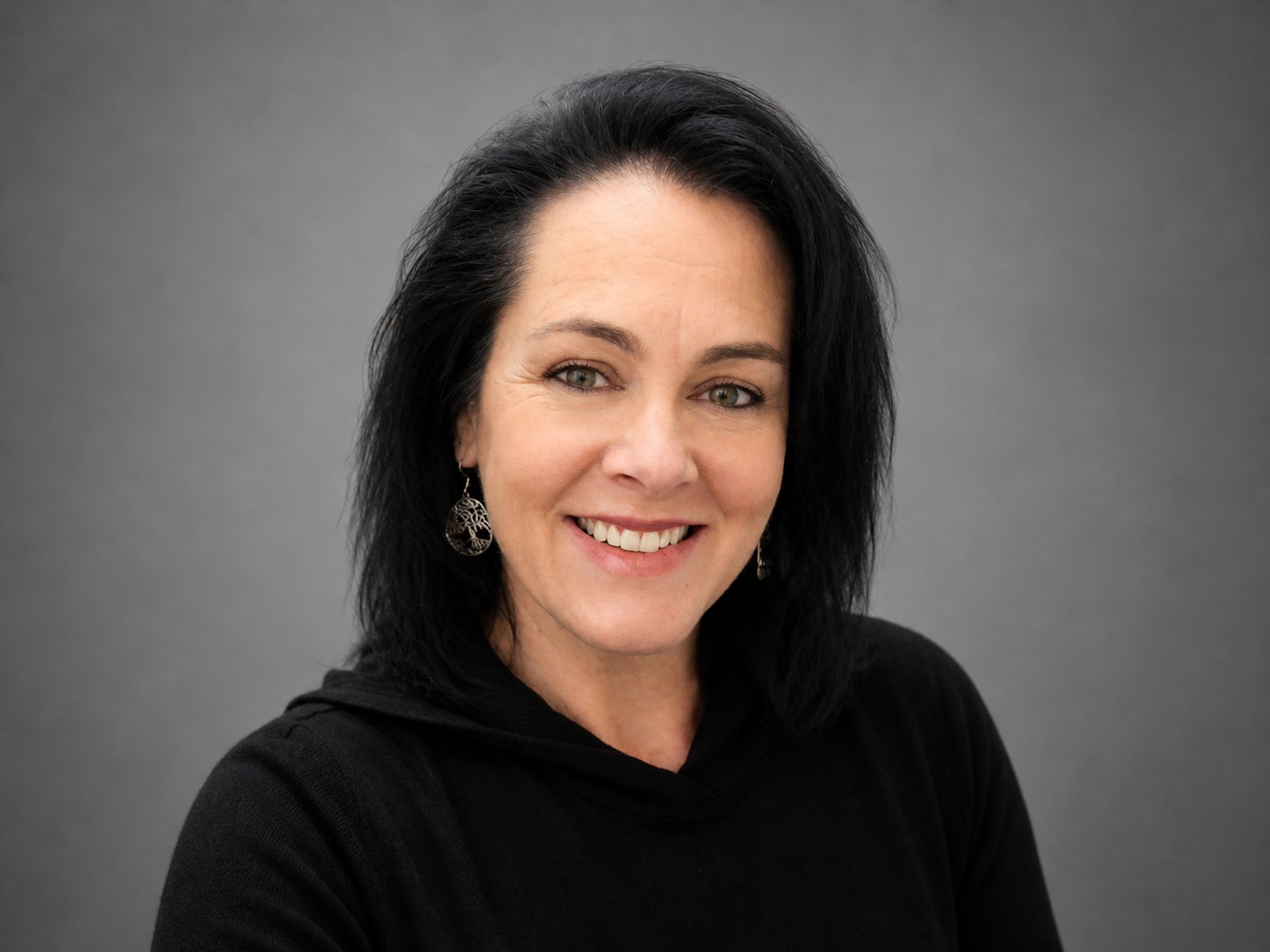
Michelle Martin
Michelle Martin is a Certified Peer Support Worker, Comprehensive Community Support Services Provider, and Licensed Substance Abuse Associate who is passionate about helping individuals discover hope, healing, and lasting recovery. She believes recovery is built through genuine human connection and that meaningful change happens when people feel accepted and supported.
"Recovery is about discovering hope, building resilience, and realizing that you never have to walk the journey alone."
Hope, Connection, and Peer Support
Michelle Martin is a Certified Peer Support Worker (CPSW), Comprehensive Community Support Services (CCSS) Provider, and Licensed Substance Abuse Associate (LSAA) who is passionate about helping individuals discover hope, healing, and lasting recovery.
Michelle believes recovery is built through genuine human connection. She understands that meaningful change happens when people feel accepted, encouraged, and supported by someone who truly believes in their ability to succeed.
Her unique combination of peer support, community-based services, and clinical counseling allows her to provide compassionate, well-rounded care that addresses both the emotional and practical challenges individuals face during recovery.
At Desert Mountain Healing IOP, Michelle provides individual counseling, facilitates group therapy, connects clients with community resources, and helps individuals build the confidence and life skills needed to sustain long-term recovery.
Clinical Counseling Meets Peer Support
Michelle has dedicated her career to helping individuals overcome substance use disorders while addressing the many life challenges that often accompany addiction.
Her experience as both a Certified Peer Support Worker and a Licensed Substance Abuse Associate gives her a unique perspective on recovery. She understands that healing involves much more than stopping substance use—it requires rebuilding confidence, strengthening relationships, improving mental wellness, and developing practical life skills.
Michelle believes recovery should empower individuals to become active participants in their own healing while helping them reconnect with their families, communities, and personal goals.
She works closely with the multidisciplinary team at Desert Mountain Healing IOP to ensure every client receives comprehensive, individualized care.
Professional Qualifications & Certifications
Professional Credentials
- Licensed Substance Abuse Associate (LSAA)
- Certified Peer Support Worker (CPSW)
- Comprehensive Community Support Services (CCSS) Provider
Education
- Central New Mexico Community College (CNM) - Graduate
- Ongoing professional development and continuing education in peer support and addiction counseling
Michelle is committed to lifelong learning and regularly participates in continuing education opportunities to stay current on best practices in peer support, community-based services, and addiction treatment.
The Power of Shared Experience
As a Certified Peer Support Worker, Michelle brings a unique perspective to recovery. Peer support recognizes that individuals who have successfully navigated their own challenges can offer powerful encouragement, hope, and practical guidance to others facing similar struggles.
What Peer Support Offers
- Lived Experience: Michelle understands recovery from a personal perspective, bringing authenticity and empathy to her work
- Hope and Inspiration: Her own journey demonstrates that recovery is possible, even when things feel overwhelming
- Practical Guidance: She helps clients navigate real-world challenges like housing, employment, family relationships, and community reintegration
- Non-Judgmental Support: Peer support creates a safe space where clients feel understood and accepted
- Connection and Belonging: Michelle helps clients build supportive relationships and reconnect with their communities
Michelle's peer support approach complements clinical treatment by addressing the day-to-day realities of recovery and helping clients develop the confidence to overcome obstacles.
Connecting Clients with Resources
As a Comprehensive Community Support Services (CCSS) Provider, Michelle helps clients access the practical resources and community support systems they need to succeed in recovery.
Community Support Services
- Connecting clients with housing resources and sober living options
- Assisting with employment readiness and job search support
- Linking clients to financial assistance programs and benefits
- Providing transportation assistance and resource navigation
- Supporting family reunification and relationship rebuilding
- Connecting clients with community support groups and recovery networks
- Helping clients access healthcare, mental health services, and social services
Michelle understands that successful recovery often depends on having stable housing, meaningful employment, supportive relationships, and access to community resources. She works diligently to ensure every client has the practical support they need to build a sustainable life in recovery.
Empowerment, Connection, and Practical Support
Michelle's therapeutic approach integrates evidence-based counseling with peer support and community-based services to provide holistic, empowering care.
Core Treatment Modalities
- Motivational Interviewing (MI): Supporting clients in discovering their own motivations for change
- Strengths-Based Therapy: Focusing on client strengths, resilience, and personal resources
- Peer Support: Using shared experience to inspire hope and provide practical guidance
- Community-Based Services: Connecting clients with resources that support long-term stability
- Relapse Prevention: Building skills and strategies for maintaining recovery
- Trauma-Informed Care: Creating a safe, supportive environment that recognizes the impact of trauma
Michelle believes that recovery is most successful when clients feel empowered, supported, and connected to their communities.
Comprehensive Recovery Support
Michelle provides counseling, peer support, and community services for individuals facing:
- Substance use disorders (alcohol, opioids, stimulants, cannabis)
- Co-occurring mental health challenges (anxiety, depression)
- Homelessness or housing instability
- Unemployment and economic challenges
- Family conflict and relationship difficulties
- Social isolation and lack of community connection
- Life transitions and reentry challenges
- Relapse prevention and recovery maintenance
Her holistic approach addresses both the emotional and practical aspects of recovery, helping clients build sustainable, meaningful lives.
What Clients Say
"Michelle helped me find housing, connect with job resources, and rebuild my confidence. She never gave up on me, even when I wanted to give up on myself."
"Knowing that Michelle had been through her own struggles made it easier to open up. She understood what I was going through in a way that felt real."
"Michelle connected me with resources I didn't even know existed. She helped me navigate a complicated system and gave me hope that things could get better."
A Commitment to Whole-Person Care
Michelle was drawn to Desert Mountain Healing IOP because of its commitment to treating the whole person—not just the addiction.
She appreciated the program's emphasis on integrating peer support, community resources, and clinical treatment to provide comprehensive, individualized care.
Michelle is proud to be part of a team that shares her values of empowerment, connection, and the belief that everyone deserves a chance at recovery.
Personal Interests and Wellness
Outside of her professional work, Michelle values spending time with family, staying connected to her community, and engaging in activities that support her own wellness and recovery.
She believes that maintaining her own self-care and balance allows her to show up fully present for her clients—bringing the hope, energy, and authenticity they deserve.
Michelle is also committed to lifelong learning and regularly attends professional development trainings, peer support workshops, and continuing education opportunities to stay current on best practices in addiction treatment and community-based services.